Valor Sciences

SS-31 (Elamipretide): Mitochondrial Peptide Research Guide

⚠️ RESEARCH USE ONLY: This content is for educational and research purposes only. SS-31 peptide (elamipretide) and all peptides discussed are intended solely for laboratory research applications. Products are not intended for human consumption or to diagnose, treat, cure, or prevent any disease. All information presented reflects current scientific literature and is not medical advice. […]
Intranasal Peptide Delivery: 5 Key Bioavailability Factors Explained

Introduction Intranasal peptide delivery has gained significant attention as a non-invasive alternative to traditional injection methods. Therapeutic peptides typically have poor oral availability due to enzymatic degradation and low gastrointestinal absorption, so parenteral administration (especially subcutaneous injection) has been the mainstay for systemic delivery. In recent decades, intranasal delivery has emerged as a route that […]

BPC-157 Review: Complete Scientific Guide to the Healing Peptide

Table of Contents Introduction Molecular Structure & Properties Mechanisms of Action Gastrointestinal Research Musculoskeletal Healing Neuroprotective Effects Cardiovascular Protection Stability & Formulation Research Dosing Protocols Safety Profile Regulatory Status Critical Limitations Comparison to Other Peptides Conclusion References BPC-157 is a synthetic 15-amino acid peptide derived from human gastric juice that demonstrates remarkable tissue-healing properties across […]

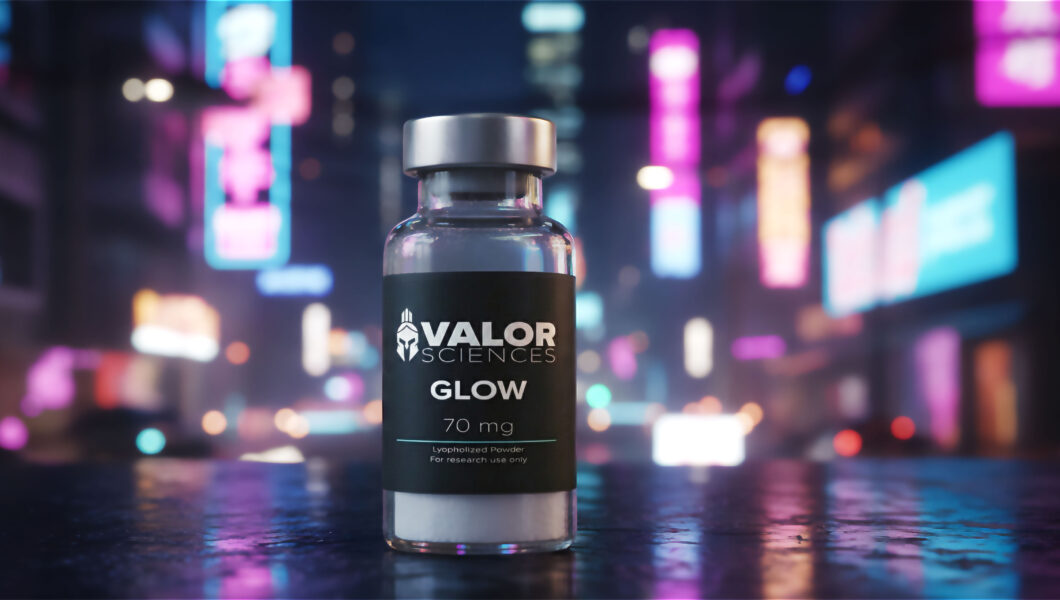
Glow Peptide

Can you mix GHK-Cu, TB-500, & BPC-157 (Glow)? The science of peptide blend stability

Table of Contents Introduction GHK-Cu’s Copper Coordination Chemistry Provides Inherent Stability TB-500’s Fragment Composition Eliminates Oxidation Vulnerability BPC-157’s Exceptional Stability Derives from Structural Resistance Bacteriostatic Water Provides a Compatible Reconstitution Environment The Copper-Catalyzed Oxidation Concern Requires Susceptible Substrate Residues pH Compatibility Analysis Reveals a Shared Stability Window Evidence Assessment for the Degradation Claim Practical Formulation […]

Neurological Peptides: A Scientific Review of Semax, Selank, and Synaptic Plasticity

Neurological Peptides: A Scientific Review of Semax, Selank, and Synaptic Plasticity ⚠️ Research Use Only The compounds discussed in this article, including Semax and Selank, are strictly for laboratory research and development purposes. They are not FDA-approved for human consumption, diagnosis, or treatment. The following information is based on peer-reviewed clinical data and animal studies […]

GLP-1, GLP-2 & GLP-3: Complete Peptide Guide

Research Use Only: The information provided in this article is for educational and research purposes only. These compounds are intended for research applications and are not approved for human consumption. Always consult with qualified healthcare professionals before considering any peptide therapy. Introduction Over the past few years, a new class of research peptides has revolutionized […]

Synergistic Regeneration with BPC‑157, Thymosin β4 (TB‑500), and GHK‑Cu (Glow)

Introduction Tissue regeneration is a complex, multi-stage process involving hemostasis, inflammation resolution, cell migration, new blood vessel formation, and extracellular matrix remodeling. Following injury, the body orchestrates a coordinated response: inflammatory cells clear debris and secrete cytokines, endothelial cells sprout new capillaries, fibroblasts lay down collagen, and remodeling enzymes refine the extracellular matrix. In many […]

SS-31 (Elamipretide): Mitochondrial Peptide Research Guide

⚠️ RESEARCH USE ONLY: This content is for educational and research purposes only. SS-31 peptide (elamipretide) and all peptides discussed are intended solely for laboratory research applications. Products are not intended for human consumption or to diagnose, treat, cure, or prevent any disease. All information presented reflects current scientific literature and is not medical advice. […]

Intranasal Peptide Delivery: 5 Key Bioavailability Factors Explained

Introduction Intranasal peptide delivery has gained significant attention as a non-invasive alternative to traditional injection methods. Therapeutic peptides typically have poor oral availability due to enzymatic degradation and low gastrointestinal absorption, so parenteral administration (especially subcutaneous injection) has been the mainstay for systemic delivery. In recent decades, intranasal delivery has emerged as a route that […]

BPC-157 Review: Complete Scientific Guide to the Healing Peptide

Table of Contents Introduction Molecular Structure & Properties Mechanisms of Action Gastrointestinal Research Musculoskeletal Healing Neuroprotective Effects Cardiovascular Protection Stability & Formulation Research Dosing Protocols Safety Profile Regulatory Status Critical Limitations Comparison to Other Peptides Conclusion References BPC-157 is a synthetic 15-amino acid peptide derived from human gastric juice that demonstrates remarkable tissue-healing properties across […]

Glow Peptide

Can you mix GHK-Cu, TB-500, & BPC-157 (Glow)? The science of peptide blend stability

Table of Contents Introduction GHK-Cu’s Copper Coordination Chemistry Provides Inherent Stability TB-500’s Fragment Composition Eliminates Oxidation Vulnerability BPC-157’s Exceptional Stability Derives from Structural Resistance Bacteriostatic Water Provides a Compatible Reconstitution Environment The Copper-Catalyzed Oxidation Concern Requires Susceptible Substrate Residues pH Compatibility Analysis Reveals a Shared Stability Window Evidence Assessment for the Degradation Claim Practical Formulation […]

Neurological Peptides: A Scientific Review of Semax, Selank, and Synaptic Plasticity

Neurological Peptides: A Scientific Review of Semax, Selank, and Synaptic Plasticity ⚠️ Research Use Only The compounds discussed in this article, including Semax and Selank, are strictly for laboratory research and development purposes. They are not FDA-approved for human consumption, diagnosis, or treatment. The following information is based on peer-reviewed clinical data and animal studies […]

GLP-1, GLP-2 & GLP-3: Complete Peptide Guide

Research Use Only: The information provided in this article is for educational and research purposes only. These compounds are intended for research applications and are not approved for human consumption. Always consult with qualified healthcare professionals before considering any peptide therapy. Introduction Over the past few years, a new class of research peptides has revolutionized […]

Synergistic Regeneration with BPC‑157, Thymosin β4 (TB‑500), and GHK‑Cu (Glow)

Introduction Tissue regeneration is a complex, multi-stage process involving hemostasis, inflammation resolution, cell migration, new blood vessel formation, and extracellular matrix remodeling. Following injury, the body orchestrates a coordinated response: inflammatory cells clear debris and secrete cytokines, endothelial cells sprout new capillaries, fibroblasts lay down collagen, and remodeling enzymes refine the extracellular matrix. In many […]

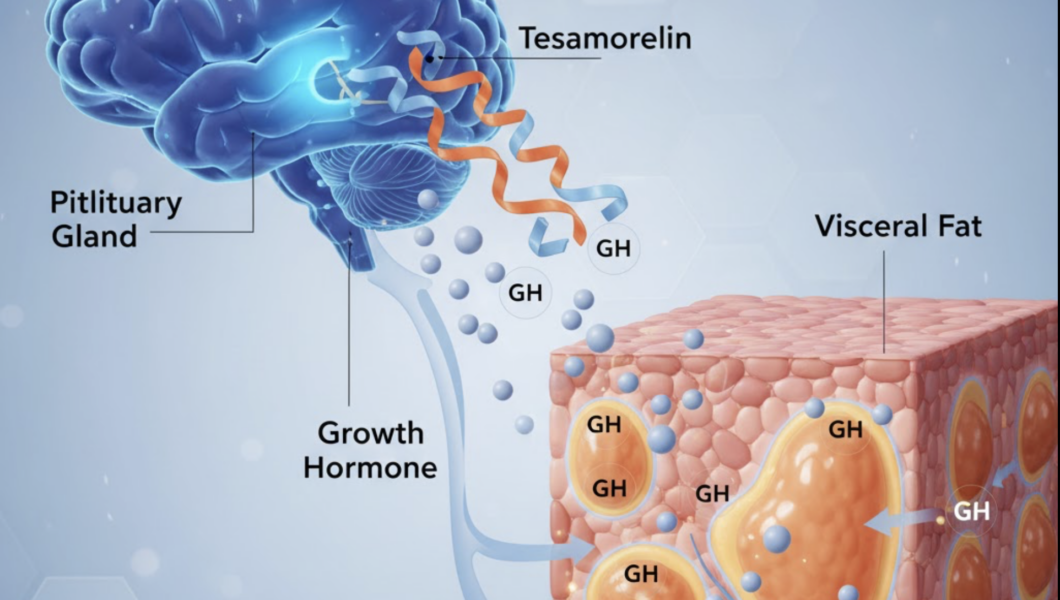
Tesamorelin mechanism of action: GHRH analog stimulating pituitary growth hormone release and IGF-1 production

Tesamorelin: A Scientific Review of Mechanisms and Investigational Applications

Tesamorelin is a synthetic analogue of human growth hormone-releasing hormone that stimulates the synthesis and release of endogenous growth hormone. Marketed as Egrifta and administered via subcutaneous injection, it received FDA approval in November 2010 as the first and only treatment specifically indicated for reducing excess abdominal fat in patients with HIV-associated lipodystrophy. Phase III randomized controlled […]

SS-31 (Elamipretide): Mitochondrial Peptide Research Guide

⚠️ RESEARCH USE ONLY: This content is for educational and research purposes only. SS-31 peptide (elamipretide) and all peptides discussed are intended solely for laboratory research applications. Products are not intended for human consumption or to diagnose, treat, cure, or prevent any disease. All information presented reflects current scientific literature and is not medical advice. […]

Intranasal Peptide Delivery: 5 Key Bioavailability Factors Explained

Introduction Intranasal peptide delivery has gained significant attention as a non-invasive alternative to traditional injection methods. Therapeutic peptides typically have poor oral availability due to enzymatic degradation and low gastrointestinal absorption, so parenteral administration (especially subcutaneous injection) has been the mainstay for systemic delivery. In recent decades, intranasal delivery has emerged as a route that […]

BPC-157 Review: Complete Scientific Guide to the Healing Peptide

Table of Contents Introduction Molecular Structure & Properties Mechanisms of Action Gastrointestinal Research Musculoskeletal Healing Neuroprotective Effects Cardiovascular Protection Stability & Formulation Research Dosing Protocols Safety Profile Regulatory Status Critical Limitations Comparison to Other Peptides Conclusion References BPC-157 is a synthetic 15-amino acid peptide derived from human gastric juice that demonstrates remarkable tissue-healing properties across […]

Glow Peptide

Can you mix GHK-Cu, TB-500, & BPC-157 (Glow)? The science of peptide blend stability

Table of Contents Introduction GHK-Cu’s Copper Coordination Chemistry Provides Inherent Stability TB-500’s Fragment Composition Eliminates Oxidation Vulnerability BPC-157’s Exceptional Stability Derives from Structural Resistance Bacteriostatic Water Provides a Compatible Reconstitution Environment The Copper-Catalyzed Oxidation Concern Requires Susceptible Substrate Residues pH Compatibility Analysis Reveals a Shared Stability Window Evidence Assessment for the Degradation Claim Practical Formulation […]

Neurological Peptides: A Scientific Review of Semax, Selank, and Synaptic Plasticity

Neurological Peptides: A Scientific Review of Semax, Selank, and Synaptic Plasticity ⚠️ Research Use Only The compounds discussed in this article, including Semax and Selank, are strictly for laboratory research and development purposes. They are not FDA-approved for human consumption, diagnosis, or treatment. The following information is based on peer-reviewed clinical data and animal studies […]

GLP-1, GLP-2 & GLP-3: Complete Peptide Guide

Research Use Only: The information provided in this article is for educational and research purposes only. These compounds are intended for research applications and are not approved for human consumption. Always consult with qualified healthcare professionals before considering any peptide therapy. Introduction Over the past few years, a new class of research peptides has revolutionized […]

Synergistic Regeneration with BPC‑157, Thymosin β4 (TB‑500), and GHK‑Cu (Glow)

Introduction Tissue regeneration is a complex, multi-stage process involving hemostasis, inflammation resolution, cell migration, new blood vessel formation, and extracellular matrix remodeling. Following injury, the body orchestrates a coordinated response: inflammatory cells clear debris and secrete cytokines, endothelial cells sprout new capillaries, fibroblasts lay down collagen, and remodeling enzymes refine the extracellular matrix. In many […]

Tesamorelin mechanism of action: GHRH analog stimulating pituitary growth hormone release and IGF-1 production

Tesamorelin: A Scientific Review of Mechanisms and Investigational Applications

Tesamorelin is a synthetic analogue of human growth hormone-releasing hormone that stimulates the synthesis and release of endogenous growth hormone. Marketed as Egrifta and administered via subcutaneous injection, it received FDA approval in November 2010 as the first and only treatment specifically indicated for reducing excess abdominal fat in patients with HIV-associated lipodystrophy. Phase III randomized controlled […]

SS-31 (Elamipretide): Mitochondrial Peptide Research Guide

⚠️ RESEARCH USE ONLY: This content is for educational and research purposes only. SS-31 peptide (elamipretide) and all peptides discussed are intended solely for laboratory research applications. Products are not intended for human consumption or to diagnose, treat, cure, or prevent any disease. All information presented reflects current scientific literature and is not medical advice. […]

Intranasal Peptide Delivery: 5 Key Bioavailability Factors Explained

Introduction Intranasal peptide delivery has gained significant attention as a non-invasive alternative to traditional injection methods. Therapeutic peptides typically have poor oral availability due to enzymatic degradation and low gastrointestinal absorption, so parenteral administration (especially subcutaneous injection) has been the mainstay for systemic delivery. In recent decades, intranasal delivery has emerged as a route that […]

BPC-157 Review: Complete Scientific Guide to the Healing Peptide

Table of Contents Introduction Molecular Structure & Properties Mechanisms of Action Gastrointestinal Research Musculoskeletal Healing Neuroprotective Effects Cardiovascular Protection Stability & Formulation Research Dosing Protocols Safety Profile Regulatory Status Critical Limitations Comparison to Other Peptides Conclusion References BPC-157 is a synthetic 15-amino acid peptide derived from human gastric juice that demonstrates remarkable tissue-healing properties across […]

Glow Peptide

Can you mix GHK-Cu, TB-500, & BPC-157 (Glow)? The science of peptide blend stability

Table of Contents Introduction GHK-Cu’s Copper Coordination Chemistry Provides Inherent Stability TB-500’s Fragment Composition Eliminates Oxidation Vulnerability BPC-157’s Exceptional Stability Derives from Structural Resistance Bacteriostatic Water Provides a Compatible Reconstitution Environment The Copper-Catalyzed Oxidation Concern Requires Susceptible Substrate Residues pH Compatibility Analysis Reveals a Shared Stability Window Evidence Assessment for the Degradation Claim Practical Formulation […]

Neurological Peptides: A Scientific Review of Semax, Selank, and Synaptic Plasticity

Neurological Peptides: A Scientific Review of Semax, Selank, and Synaptic Plasticity ⚠️ Research Use Only The compounds discussed in this article, including Semax and Selank, are strictly for laboratory research and development purposes. They are not FDA-approved for human consumption, diagnosis, or treatment. The following information is based on peer-reviewed clinical data and animal studies […]

GLP-1, GLP-2 & GLP-3: Complete Peptide Guide

Research Use Only: The information provided in this article is for educational and research purposes only. These compounds are intended for research applications and are not approved for human consumption. Always consult with qualified healthcare professionals before considering any peptide therapy. Introduction Over the past few years, a new class of research peptides has revolutionized […]

Synergistic Regeneration with BPC‑157, Thymosin β4 (TB‑500), and GHK‑Cu (Glow)

Introduction Tissue regeneration is a complex, multi-stage process involving hemostasis, inflammation resolution, cell migration, new blood vessel formation, and extracellular matrix remodeling. Following injury, the body orchestrates a coordinated response: inflammatory cells clear debris and secrete cytokines, endothelial cells sprout new capillaries, fibroblasts lay down collagen, and remodeling enzymes refine the extracellular matrix. In many […]

Tesamorelin mechanism of action: GHRH analog stimulating pituitary growth hormone release and IGF-1 production

Tesamorelin: A Scientific Review of Mechanisms and Investigational Applications

Tesamorelin is a synthetic analogue of human growth hormone-releasing hormone that stimulates the synthesis and release of endogenous growth hormone. Marketed as Egrifta and administered via subcutaneous injection, it received FDA approval in November 2010 as the first and only treatment specifically indicated for reducing excess abdominal fat in patients with HIV-associated lipodystrophy. Phase III randomized controlled […]

SS-31 (Elamipretide): Mitochondrial Peptide Research Guide

⚠️ RESEARCH USE ONLY: This content is for educational and research purposes only. SS-31 peptide (elamipretide) and all peptides discussed are intended solely for laboratory research applications. Products are not intended for human consumption or to diagnose, treat, cure, or prevent any disease. All information presented reflects current scientific literature and is not medical advice. […]

Intranasal Peptide Delivery: 5 Key Bioavailability Factors Explained

Introduction Intranasal peptide delivery has gained significant attention as a non-invasive alternative to traditional injection methods. Therapeutic peptides typically have poor oral availability due to enzymatic degradation and low gastrointestinal absorption, so parenteral administration (especially subcutaneous injection) has been the mainstay for systemic delivery. In recent decades, intranasal delivery has emerged as a route that […]

BPC-157 Review: Complete Scientific Guide to the Healing Peptide

Table of Contents Introduction Molecular Structure & Properties Mechanisms of Action Gastrointestinal Research Musculoskeletal Healing Neuroprotective Effects Cardiovascular Protection Stability & Formulation Research Dosing Protocols Safety Profile Regulatory Status Critical Limitations Comparison to Other Peptides Conclusion References BPC-157 is a synthetic 15-amino acid peptide derived from human gastric juice that demonstrates remarkable tissue-healing properties across […]

Glow Peptide

Can you mix GHK-Cu, TB-500, & BPC-157 (Glow)? The science of peptide blend stability

Table of Contents Introduction GHK-Cu’s Copper Coordination Chemistry Provides Inherent Stability TB-500’s Fragment Composition Eliminates Oxidation Vulnerability BPC-157’s Exceptional Stability Derives from Structural Resistance Bacteriostatic Water Provides a Compatible Reconstitution Environment The Copper-Catalyzed Oxidation Concern Requires Susceptible Substrate Residues pH Compatibility Analysis Reveals a Shared Stability Window Evidence Assessment for the Degradation Claim Practical Formulation […]

Neurological Peptides: A Scientific Review of Semax, Selank, and Synaptic Plasticity

Neurological Peptides: A Scientific Review of Semax, Selank, and Synaptic Plasticity ⚠️ Research Use Only The compounds discussed in this article, including Semax and Selank, are strictly for laboratory research and development purposes. They are not FDA-approved for human consumption, diagnosis, or treatment. The following information is based on peer-reviewed clinical data and animal studies […]

GLP-1, GLP-2 & GLP-3: Complete Peptide Guide

Research Use Only: The information provided in this article is for educational and research purposes only. These compounds are intended for research applications and are not approved for human consumption. Always consult with qualified healthcare professionals before considering any peptide therapy. Introduction Over the past few years, a new class of research peptides has revolutionized […]

Synergistic Regeneration with BPC‑157, Thymosin β4 (TB‑500), and GHK‑Cu (Glow)

Introduction Tissue regeneration is a complex, multi-stage process involving hemostasis, inflammation resolution, cell migration, new blood vessel formation, and extracellular matrix remodeling. Following injury, the body orchestrates a coordinated response: inflammatory cells clear debris and secrete cytokines, endothelial cells sprout new capillaries, fibroblasts lay down collagen, and remodeling enzymes refine the extracellular matrix. In many […]

Tesamorelin mechanism of action: GHRH analog stimulating pituitary growth hormone release and IGF-1 production

Tesamorelin: A Scientific Review of Mechanisms and Investigational Applications

Tesamorelin is a synthetic analogue of human growth hormone-releasing hormone that stimulates the synthesis and release of endogenous growth hormone. Marketed as Egrifta and administered via subcutaneous injection, it received FDA approval in November 2010 as the first and only treatment specifically indicated for reducing excess abdominal fat in patients with HIV-associated lipodystrophy. Phase III randomized controlled […]

SS-31 (Elamipretide): Mitochondrial Peptide Research Guide

⚠️ RESEARCH USE ONLY: This content is for educational and research purposes only. SS-31 peptide (elamipretide) and all peptides discussed are intended solely for laboratory research applications. Products are not intended for human consumption or to diagnose, treat, cure, or prevent any disease. All information presented reflects current scientific literature and is not medical advice. […]

Intranasal Peptide Delivery: 5 Key Bioavailability Factors Explained

Introduction Intranasal peptide delivery has gained significant attention as a non-invasive alternative to traditional injection methods. Therapeutic peptides typically have poor oral availability due to enzymatic degradation and low gastrointestinal absorption, so parenteral administration (especially subcutaneous injection) has been the mainstay for systemic delivery. In recent decades, intranasal delivery has emerged as a route that […]

BPC-157 Review: Complete Scientific Guide to the Healing Peptide

Table of Contents Introduction Molecular Structure & Properties Mechanisms of Action Gastrointestinal Research Musculoskeletal Healing Neuroprotective Effects Cardiovascular Protection Stability & Formulation Research Dosing Protocols Safety Profile Regulatory Status Critical Limitations Comparison to Other Peptides Conclusion References BPC-157 is a synthetic 15-amino acid peptide derived from human gastric juice that demonstrates remarkable tissue-healing properties across […]

Glow Peptide

Can you mix GHK-Cu, TB-500, & BPC-157 (Glow)? The science of peptide blend stability

Table of Contents Introduction GHK-Cu’s Copper Coordination Chemistry Provides Inherent Stability TB-500’s Fragment Composition Eliminates Oxidation Vulnerability BPC-157’s Exceptional Stability Derives from Structural Resistance Bacteriostatic Water Provides a Compatible Reconstitution Environment The Copper-Catalyzed Oxidation Concern Requires Susceptible Substrate Residues pH Compatibility Analysis Reveals a Shared Stability Window Evidence Assessment for the Degradation Claim Practical Formulation […]

Neurological Peptides: A Scientific Review of Semax, Selank, and Synaptic Plasticity

Neurological Peptides: A Scientific Review of Semax, Selank, and Synaptic Plasticity ⚠️ Research Use Only The compounds discussed in this article, including Semax and Selank, are strictly for laboratory research and development purposes. They are not FDA-approved for human consumption, diagnosis, or treatment. The following information is based on peer-reviewed clinical data and animal studies […]

GLP-1, GLP-2 & GLP-3: Complete Peptide Guide

Research Use Only: The information provided in this article is for educational and research purposes only. These compounds are intended for research applications and are not approved for human consumption. Always consult with qualified healthcare professionals before considering any peptide therapy. Introduction Over the past few years, a new class of research peptides has revolutionized […]

Synergistic Regeneration with BPC‑157, Thymosin β4 (TB‑500), and GHK‑Cu (Glow)

Introduction Tissue regeneration is a complex, multi-stage process involving hemostasis, inflammation resolution, cell migration, new blood vessel formation, and extracellular matrix remodeling. Following injury, the body orchestrates a coordinated response: inflammatory cells clear debris and secrete cytokines, endothelial cells sprout new capillaries, fibroblasts lay down collagen, and remodeling enzymes refine the extracellular matrix. In many […]

Tesamorelin mechanism of action: GHRH analog stimulating pituitary growth hormone release and IGF-1 production

Tesamorelin: A Scientific Review of Mechanisms and Investigational Applications

Tesamorelin is a synthetic analogue of human growth hormone-releasing hormone that stimulates the synthesis and release of endogenous growth hormone. Marketed as Egrifta and administered via subcutaneous injection, it received FDA approval in November 2010 as the first and only treatment specifically indicated for reducing excess abdominal fat in patients with HIV-associated lipodystrophy. Phase III randomized controlled […]

Select the fields to be shown. Others will be hidden. Drag and drop to rearrange the order.
  • Image
  • SKU
  • Rating
  • Price
  • Stock
  • Availability
  • Add to cart
  • Description
  • Content
  • Weight
  • Dimensions
  • Additional information
Click outside to hide the comparison bar
Compare
shopping cart